Diploma Translation for Denklik: Translating Your Diploma for Turkish Equivalence
By Burak Ünal, Founder & Sworn Translator (English, French) · Updated
Diploma translation for denklik is the sworn translation of a foreign diploma into Turkish so a Turkish authority can assess it for equivalence. A university degree goes to YOK and a school diploma to the Ministry of National Education. The translation does not grant equivalence; the receiving authority decides.
Key takeaways
- Diploma translation for denklik is a sworn translation into Turkish, not an equivalence decision in itself.
- A university diploma is assessed for equivalence by YOK, while a school diploma is assessed by the Ministry of National Education.
- Most denklik files need the diploma and the full transcript translated, and often an apostille or consular legalisation on the originals first.
- The receiving authority decides whether a qualification is recognised, so no translator can promise that a diploma will be accepted.
Diploma translation for denklik means having a foreign diploma, and in most cases its transcript, rendered into Turkish by a sworn translator so that the body responsible for equivalence can read and assess it. When the qualification is a university degree, equivalence is handled by the Council of Higher Education (YOK). When it is a primary or secondary school diploma, the Ministry of National Education handles it instead. The translation itself does not grant recognition: the receiving authority decides whether your qualification is equivalent, and the sworn translation is simply what makes your documents legible to it.
This guide sets out what diploma translation for denklik involves, which documents are usually translated, where the apostille or consular legalisation fits, and the reasons a file comes back. We produce the sworn translation. The equivalence decision belongs to YOK or to the Ministry, and we never speak for it.
What equivalence (denklik) means for a foreign diploma
Denklik is the formal recognition that a foreign qualification corresponds to a Turkish one. A graduate who studied abroad and now wants to work, continue studying, or sit a professional examination in Turkey is usually asked for a denklik certificate at some point in the process. Foreign diploma recognition in Turkey is a document-heavy procedure, and almost every document in the file has to exist in Turkish before it can be reviewed.
That is where diploma equivalence translation comes in. The authority does not assess a diploma in its original language. It assesses the Turkish sworn translation alongside the original, so the quality and completeness of that translation shapes how smoothly the review runs. A missing seal, an untranslated endorsement on the back of a page, or a transcript that stops short of the final semester all slow the file down.
Which authority grants denklik, YOK or the Ministry
Equivalence for a higher education diploma is granted in Turkey by the Council of Higher Education (Yuksekogretim Kurulu, YOK), while equivalence for a primary or secondary school diploma is granted by the Ministry of National Education (Milli Egitim Bakanligi). This split matters because the two routes ask for different documents and run on different systems. A bachelor's, master's or doctoral degree goes to YOK; a high school leaving certificate goes to the Ministry. Because the systems differ, diploma translation for YOK denklik is prepared with the Council's own checklist in mind rather than the school route.
You do not choose the authority; your qualification does. If you are unsure which track your document belongs to, the issuing institution's level decides it, and the authority's own guidance confirms it. YOK publishes the current requirements and the online application on its denklik portal, which is the primary source to check before you assemble anything.
What diploma translation for denklik actually means
Diploma translation for denklik is a sworn translation, not a casual one. A sworn translation is produced by a translator registered with a Turkish notary and the courts, who signs and stamps the Turkish text and declares it a true rendering of the original. You can read more about how this works on our Turkish sworn translation and Turkish academic translation service pages, which cover diplomas, transcripts and other university records.
A plain translation with no sworn translator behind it will not be accepted for denklik. Neither will a translation done in your home country and simply couriered over, in most cases, because the authority expects a translator who is registered inside the Turkish system.
When the file needs the translator's signature certified, a notary adds that layer; the notarized version is handled through our Turkish notary translation service. Notarization certifies the translator's signature. It does not, on its own, guarantee that YOK will grant equivalence.
Which documents YOK usually asks you to translate
The core of a denklik file is the diploma and the transcript, but it is rarely only those two. Below is the set of documents that most often needs a Turkish sworn translation. Your own case may need more or fewer, and the authority's checklist is the one that counts.
- The diploma or degree certificate itself, front and back, including any seals or endorsements.
- The full academic transcript, covering every semester through to graduation.
- Any supplementary certificate the university issues alongside the degree, such as a diploma supplement.
- The identity page of your passport, where the authority asks for it.
- Any name-change document, if the name on the diploma differs from the name on your passport.
Translating the transcript as carefully as the diploma is not optional. In our experience, the single most common gap we see in an incoming denklik file is a transcript that has been translated selectively, with course names abbreviated or a final term left out, which forces the applicant to come back for a corrected version.
Where the apostille or consular legalisation fits
Before a foreign diploma is translated for denklik, the original usually has to be authenticated in the country that issued it. For countries in the Hague Apostille Convention, that authentication is a single apostille stamp added by the competent authority there. For countries outside the convention, it is consular legalisation, which involves the issuing country's foreign ministry and the Turkish consulate. The Hague Conference keeps the authoritative list of member countries.
We do not issue apostilles, and neither does any translation office; apostilles are issued by the competent authority in the country where the document was produced. Our part begins once the authenticated original reaches us, when the sworn translation is prepared from the document and its apostille or legalisation stamps together. The table below sets out the difference between the two authentication routes.
| Point | Apostille (Hague countries) | Consular legalisation (non-Hague countries) |
|---|---|---|
| Who authenticates the original | The competent authority in the issuing country | The issuing country's foreign ministry, then the Turkish consulate there |
| Number of certifications | One apostille stamp | Two or more legalisation stamps |
| Then translated by | A sworn translator registered in Turkey | A sworn translator registered in Turkey |
How to translate a diploma for denklik, step by step
Knowing how to translate a diploma for denklik is mostly about order: authenticate first, translate second, submit third. Rushing the translation before the apostille is in place is the error that wastes the most time, because the apostille text itself has to appear in the Turkish version. For a university degree, diploma translation for YOK denklik follows that same order without exception. The sequence we follow with a client file looks like this.
- You send clear scans of the diploma, the transcript and any apostille or legalisation stamps already on them.
- We confirm what the file contains and what still needs authenticating before translation, and we confirm the timeline before any work starts.
- A sworn translator produces the Turkish text, including every seal, stamp and endorsement, not only the main body.
- Where the authority wants the translator's signature certified, the file goes to a notary for notarization.
- You receive the finished sworn translation to submit to YOK or the Ministry with your application.
Part of understanding how to translate a diploma for denklik is accepting that the translation office cannot shortcut the authentication. If the apostille is missing, the document is not ready, whatever the deadline.
Certified, notarized and sworn, told apart
These three words are used loosely in everyday speech and precisely in a denklik file, so it helps to separate them. A certified translation carries the translator's own statement and stamp of accuracy.
A sworn translation is made by a translator formally registered with the courts and a notary in Turkey, which is the level denklik expects. A notarized translation is a sworn translation whose signature a notary has then certified. Our Turkish certified translation page explains the certified level in more detail.
For diploma equivalence translation, the practical point is this: ask the authority or the institution reviewing your file which level it wants, then order that level. We can produce any of the three, but we cannot decide for your file which one the reviewer will require, because that is the receiving authority's call.
Common reasons a denklik file comes back
Most returned files fail on completeness, not on language. Foreign diploma recognition in Turkey turns on the paperwork matching exactly, and small mismatches cause real delays. In our experience the recurring causes are few and avoidable.
- The transcript translation is partial, with some semesters, grades or course titles left out.
- The apostille or legalisation stamp was not translated, only the diploma body was.
- The name on the diploma does not match the passport, with no supporting document to bridge the two.
- The back of the diploma, carrying a seal or a note, was never scanned or translated.
- The translation was produced outside the Turkish system and the authority wanted a locally registered sworn translator.
None of these is about translation skill. They are about sending a complete, correctly authenticated set, which is why we check the file against what you tell us the authority asked for before the sworn translation begins.
After the sworn translation: submitting for denklik
Once the sworn translation is ready, you submit it with your application to the authority that handles your qualification. For a university degree, the YOK denklik application is made online, and the applicant uploads or presents the translated set as instructed. For a school diploma, the Ministry of National Education sets out its own submission route. The authority then reviews the file and reaches its decision in its own time.
We will tell you plainly what we can and cannot do here. We prepare the Turkish sworn translation, we make sure every element of your documents is rendered, and we flag anything in the set that looks incomplete. We do not submit the application for you, we do not advise on your eligibility, and we cannot promise an outcome, because denklik is decided by YOK or the Ministry and by no one else.
Diploma translation for denklik is, in the end, one well-defined step in a longer official procedure: authenticate the original, translate it accurately into Turkish through a sworn translator, and submit the complete set to the authority that grants equivalence. Get that step right and the rest of the denklik process has a clean foundation to stand on.
Frequently asked questions
Do I need a sworn translation of my diploma for denklik?
Yes, a denklik file for a foreign diploma normally requires a sworn translation into Turkish, not a plain one. A sworn translator registered with the courts and a notary in Turkey signs and stamps the Turkish text. A translation with no sworn translator behind it is usually not accepted.
Does YOK or the Ministry of National Education handle my diploma?
A university degree is assessed for equivalence by the Council of Higher Education (YOK), and a primary or secondary school diploma is assessed by the Ministry of National Education. The level of the qualification decides the authority, not your preference. Check the authority's own guidance if you are unsure which track your document belongs to.
Does my diploma need an apostille before translation?
Usually yes: the original is authenticated in the country that issued it before it is translated in Turkey. For Hague Convention countries that means a single apostille, and for other countries it means consular legalisation. The apostille or legalisation stamps are then translated along with the diploma.
Will a sworn translation guarantee that YOK grants equivalence?
No, no translation can guarantee that equivalence will be granted, because that decision belongs to YOK or the Ministry alone. A complete, accurate sworn translation removes the language barrier and avoids delays caused by missing or partial text. The receiving authority still assesses the qualification itself.
Do I need to translate my transcript as well as my diploma?
In most denklik files the full academic transcript is translated along with the diploma. The transcript must cover every semester through to graduation, with course names and grades intact. A partial transcript translation is one of the most common reasons a file is sent back.
About the author
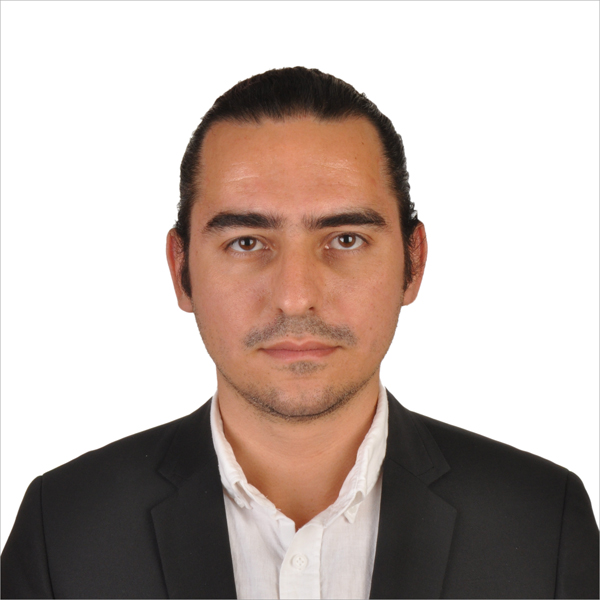
Burak Ünal
Founder & Sworn Translator (English, French)
- Sworn translator (English, French), Istanbul Courts, 2025 - registration no. 582
- Registered sworn translator at Beyoglu 10th and 13th Notaries
Need a sworn or certified translation in Turkey?
Get tailored, transparent help from our translation team - in English, Turkish, German, French, Arabic, Spanish, Russian or Chinese.